
WELCOME TO
HURST PEDIATRIC DENTISTRY!
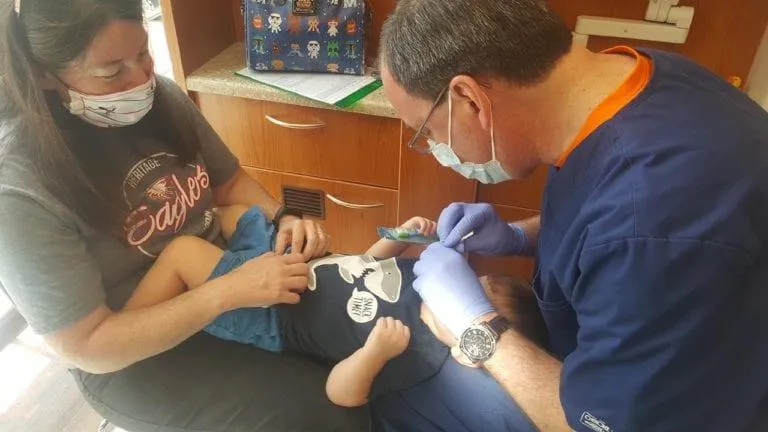
Here at the pediatric dental office of Dr. Joby Hurst, we take pride in offering our young patients the highest quality of dental care in a kid-friendly environment. We are conveniently located in Birmingham, Alabama and are experienced in providing routine dental care for infants, children, teens and patients with special needs.
Dr. Hurst and his team of friendly professionals work together to provide a positive dental experience that will make your child smile! We promise to work with you and your child personally and create a customized treatment plan to meet your individual needs and desires.
Office tour
Early Dental Care
We believe early dental care can promote a lifetime of healthy smiles for your child. We offer a full range of services from routine dental exams and cleanings to fillings, sealants and fluoride treatments that will help ensure that your child grows up with a healthy smile.
Sedation Dentistry
We recognize that for some of our patients, a visit to the dentist makes them a bit nervous.
We offer nitrous oxide sedation for our more apprehensive patients, so they can relax while receiving the dental care that they need.
For those requiring more intensive treatment, Dr. Hurst offers in office anesthesia using Dr. Jeff Plagenhoef.
Dr. Jeff is a board-certified pediatric anesthesiologist with Pediatric Dental Anesthesia Associates.
We appreciate your interest in our practice and encourage you to continue exploring our website to learn more about us. Feel free to contact us to schedule an appointment with Dr. Joby Hurst today!
Blogs and Resources
Are You Accidentally Increasing Your Child’s Cavity Risk?
If you’ve ever looked at your child’s smile and wondered, “Am I doing enough?” you’re not alone.
Many loving, attentive parents are surprised to learn that small, everyday habits can quietly increase a child’s risk for cavities. The reassuring truth? Most of these risks are preventable once you know what to look for.
Let’s walk through what causes cavities, the habits that may be increasing risk, and simple steps you can take starting today.
What Actually Causes Cavities in Children?
Cavities form when bacteria in the mouth feed on sugars and produce acid that weakens tooth enamel. Over time, that acid creates small holes in the tooth.
Here’s how it works:
Natural bacteria live in the mouth.
When your child eats sugar or carbohydrates, bacteria feed on them.
The bacteria produce acid.
The acid weakens enamel.
Repeated acid exposure leads to cavities.
Why Are Baby Teeth More Vulnerable?
Baby teeth have:
Thinner enamel
Smaller structure
Deep grooves in molars
Because the enamel is thinner, decay can spread more quickly than in adult teeth.
And here’s something many parents don’t realize:
It’s not just how much sugar your child eats, it’s how often their teeth are exposed to it.
Frequent snacking or sipping keeps acid levels elevated throughout the day.
Why Do Some Children Get Cavities Even When Parents Try So Hard?
Cavities are influenced by more than effort alone. Some children are naturally more cavity-prone.
Contributing factors include:
Genetics and enamel strength
Deep grooves in molars
Saliva differences
Tight spacing between teeth
Sensory brushing struggles
Hidden sugar exposure
If your child has had a cavity, it does not mean you’ve failed. Cavities are one of the most common childhood health conditions. Awareness simply allows you to adjust and move forward.
10 Common Habits That May Be Increasing Your Child’s Cavity Risk
Many cavity risks don’t look like “bad parenting.” They look like normal, everyday routines.
Here are 10 common habits that may quietly increase cavity risk and what to do instead.
1. Letting Kids Sip Juice or Milk Throughout the Day
Frequent sipping exposes teeth to sugar repeatedly, which keeps acid levels high in the mouth. It’s not just what your child drinks — it’s how often they drink it.
Even healthy options like:
100% fruit juice
Milk
Smoothies
…contain natural sugars that bacteria feed on.
If your child carries a sippy cup around for hours, their teeth may never get a break from acid attacks.
Why frequency matters more than quantity:
Each sip restarts the acid production cycle. When this happens all day, enamel doesn’t have time to recover.
Healthier swap:
Serve juice only at meals
Offer water between meals
Avoid all-day grazing with drinks
Water gives teeth time to rebalance and remineralize.
2. Bedtime Bottles or Sippy Cups (Even with Milk)
At night, saliva production drops significantly. Saliva helps protect teeth, so when it decreases, sugar stays on teeth longer.
If a child falls asleep with:
Milk
Formula
Juice
…the liquid can pool around the teeth for hours.
This can lead to early childhood cavities, especially on the upper front teeth.
Safer bedtime routine:
Brush thoroughly before bed.
Offer only water afterward.
Gradually transition away from bedtime bottles if needed.
Comfort is important but protecting enamel overnight matters too.
3. Brushing Too Quickly (or Missing the Back Teeth)
Many children brush for 20–30 seconds. Effective brushing takes a full two minutes.
Back molars are especially vulnerable because they:
Have deep grooves
Trap food easily
Are harder to see and reach
Children often lack the dexterity to brush thoroughly until about age 7–8.
How to improve brushing quality:
Use a two-minute timer or song
Help brush at night, even if they brush in the morning
Angle the toothbrush toward the gumline
If brushing feels rushed, plaque may remain especially in cavity-prone areas.
4. Skipping Flossing Because “They’re Just Baby Teeth”
Cavities often form between teeth where toothbrush bristles cannot reach.
If your child’s teeth touch, flossing becomes important even in preschool years.
Without flossing:
Plaque builds between tight teeth
Decay can develop silently
Cavities may not be visible until advanced
Make it manageable:
Use child-friendly floss picks
Floss at night when brushing is done
Keep it quick and consistent
It takes less than a minute but protects hidden areas.

5. Using Too Little (or Too Much) Fluoride Toothpaste
Fluoride strengthens enamel and helps repair early weak spots.
But the amount matters.
Recommended amounts:
Under 3 years old: a smear (grain of rice size)
Ages 3–6: pea-sized amount
Too little fluoride may not provide enough protection. Too much increases the chance of swallowing excess toothpaste.
When used properly, fluoride toothpaste is safe and highly effective at reducing cavities.
If you’ve ever felt unsure about fluoride, you’re not alone. Clear guidance helps parents feel confident.
6. Frequent Snacking: Even on “Healthy” Foods
Cavities are not just caused by candy.
Sticky carbohydrates like:
Crackers
Goldfish
Granola bars
Dried fruit
Fruit snacks
…cling to teeth and break down into sugars.
When children snack every hour or two, the mouth stays in a constant acid-producing state.
Helpful shift:
Set defined snack times
Avoid all-day grazing
Offer water after snacks
The goal isn’t restriction. It’s spacing.
7. Not Replacing Toothbrushes Often Enough
Toothbrush bristles wear down over time.
When bristles fray:
They don’t clean effectively
Plaque removal decreases
Bacteria may linger
Replace toothbrushes:
Every 3 months
After illness
When bristles bend outward
A fresh brush makes a noticeable difference in cleaning power.
8. Delaying the First Dental Visit
Some parents wait until age 3 or later for a first dental visit. However, experts recommend a visit by age 1 or within six months of the first tooth.
Early visits:
Identify risk factors
Provide preventive care
Offer personalized guidance
Build comfort with the dental environment
Prevention is simpler and often less stressful than treatment.
9. Assuming Baby Teeth Don’t Matter
It’s easy to think, “They’re going to fall out anyway.”
But baby teeth:
Guide permanent teeth into position
Help with speech development
Allow proper chewing
Maintain space in the jaw
Losing baby teeth too early due to decay can affect alignment later.
Protecting baby teeth protects the future smile.
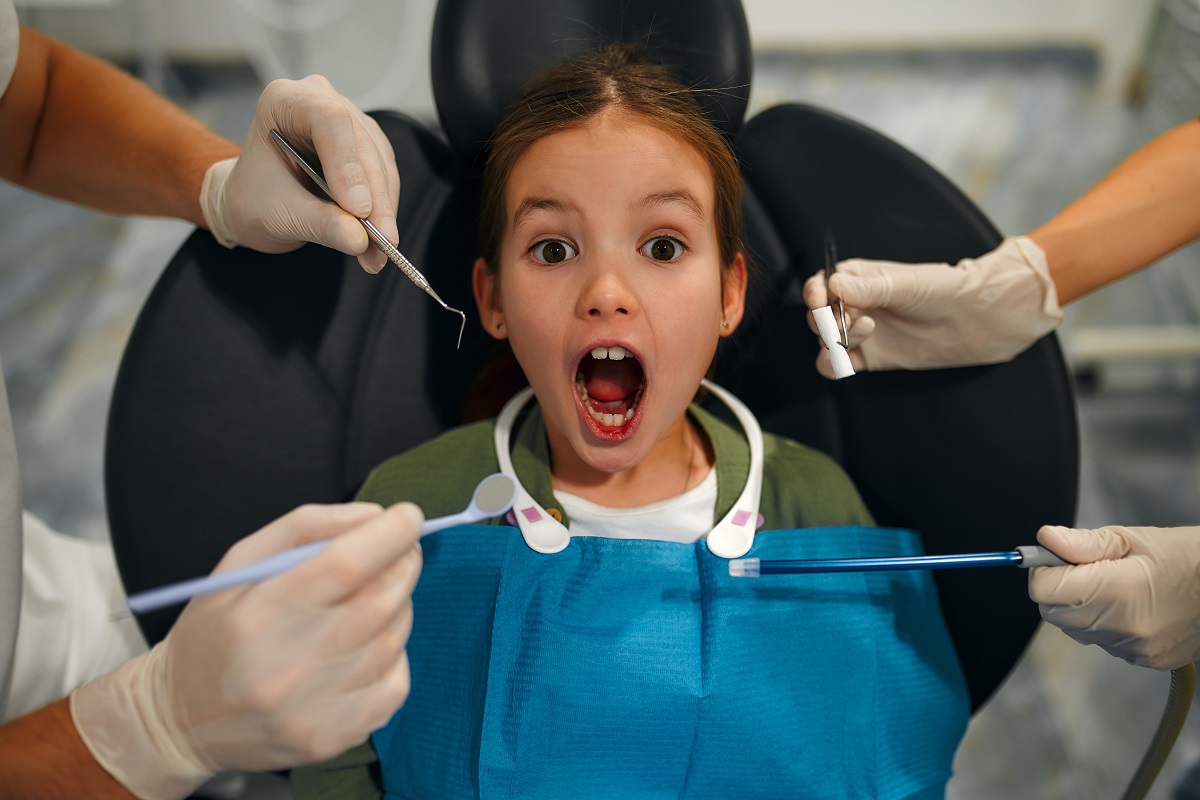
10. Avoiding the Dentist Because of Anxiety
Dental anxiety affects many families. Avoiding visits out of fear can allow small concerns to grow.
Modern pediatric dental care focuses on:
Gentle communication
Kid-friendly explanations
Calm environments
Gradual trust-building
Some children benefit from additional comfort options when needed.
The goal is not forcing a child through fear, it’s creating positive, confidence-building experiences.
Early positive visits reduce anxiety long term.
What Are the Early Warning Signs of Cavities?
Cavities don’t always hurt at first. Watch for:
Chalky white spots near the gumline
Brown or dark discoloration
Sensitivity to hot, cold, or sweets
Pain while chewing
Persistent bad breath
If something feels “off,” trust your instincts. Early evaluation is always easier than waiting.
How Can You Lower Your Child’s Cavity Risk Starting Today?
Start with simple, consistent habits:
Brush twice daily for two minutes.
Help brush until around age 7–8.
Floss once teeth touch.
Limit grazing and frequent snacking.
Offer water between meals.
Use age-appropriate fluoride toothpaste.
Schedule regular checkups.
Small daily habits make a big difference over time.
When Should You See a Pediatric Dentist?
Schedule a visit:
By age 1
Every six months
Sooner if you notice pain, spots, or injury
Prevention-focused visits are typically simple, educational, and reassuring.
The Good News: Most Cavities Are Preventable
You don’t need to be perfect.
You don’t need to eliminate every treat.
You don’t need to win every brushing battle flawlessly.
You just need:
Awareness
Consistency
Support
Early guidance
With small, informed adjustments, you can dramatically lower your child’s cavity risk — and help them grow up with a healthy, confident smile.
And that’s something every parent can feel good about.
Ready to Protect Your Child’s Smile?
You don’t have to figure this out alone.
If you’re feeling unsure about your child’s cavity risk or simply want peace of mind a preventive visit can make all the difference. Early guidance helps catch small concerns before they become bigger ones, and it gives your child the chance to build positive, confident dental experiences from the start.
Whether it’s your baby’s first tooth or you’re navigating brushing battles with a busy preschooler, support is available.
Schedule your child’s checkup today and take the next step toward a healthy, happy smile.
Because prevention isn’t about perfection, it’s about partnership.

19 INVERNESS CENTER PARKWAY, STE 250, BIRMINGHAM, AL 35242
TEL: 205.969.7454
E-MAIL: [email protected]
2018 © ALL RIGHTS RESERVED | PRIVACY POLICY | TERMS AND CONDITIONS
Site by Trustway Marketing Powered by Kyrios Systems