
WELCOME TO
HURST PEDIATRIC DENTISTRY!
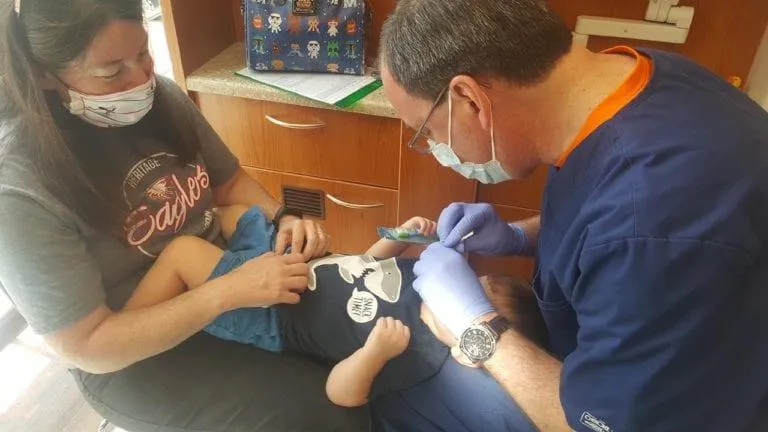
Here at the pediatric dental office of Dr. Joby Hurst, we take pride in offering our young patients the highest quality of dental care in a kid-friendly environment. We are conveniently located in Birmingham, Alabama and are experienced in providing routine dental care for infants, children, teens and patients with special needs.
Dr. Hurst and his team of friendly professionals work together to provide a positive dental experience that will make your child smile! We promise to work with you and your child personally and create a customized treatment plan to meet your individual needs and desires.
Office tour
Early Dental Care
We believe early dental care can promote a lifetime of healthy smiles for your child. We offer a full range of services from routine dental exams and cleanings to fillings, sealants and fluoride treatments that will help ensure that your child grows up with a healthy smile.
Sedation Dentistry
We recognize that for some of our patients, a visit to the dentist makes them a bit nervous.
We offer nitrous oxide sedation for our more apprehensive patients, so they can relax while receiving the dental care that they need.
For those requiring more intensive treatment, Dr. Hurst offers in office anesthesia using Dr. Jeff Plagenhoef.
Dr. Jeff is a board-certified pediatric anesthesiologist with Pediatric Dental Anesthesia Associates.
We appreciate your interest in our practice and encourage you to continue exploring our website to learn more about us. Feel free to contact us to schedule an appointment with Dr. Joby Hurst today!
Blogs and Resources
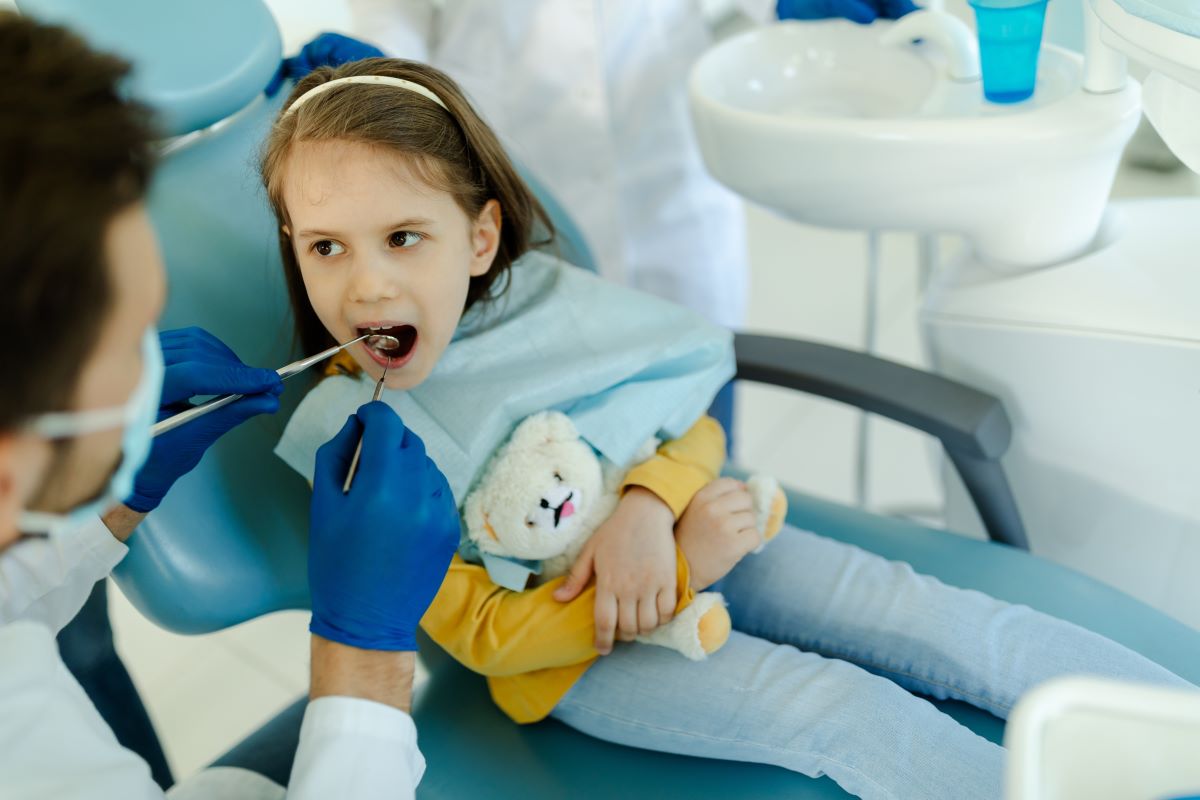
Cavities in Kids: What Causes Them and Why It’s Not Always Sugar’s Fault
What are cavities, and how do they form?
Cavities are tiny holes or damaged areas in a tooth's surface caused by acid that breaks down enamel over time. They’re the result of a process called tooth decay, which begins when certain bacteria in the mouth feed on sugars and carbohydrates, producing acid that wears away the tooth’s protective outer layer.
Here's how cavities form:"
Bacteria Live in the Mouth: Even healthy mouths contain bacteria. Some types are more harmful than others, especially Streptococcus mutans, which thrives on sugars and starches.
Sugar and Carbs Feed the Bacteria: When your child eats things like crackers, juice, fruit snacks, or even milk, the bacteria use those carbs as fuel.
Acid Is Produced: As the bacteria digest the food, they release acid as a byproduct.
Enamel Starts to Break Down: That acid weakens and slowly dissolves the enamel, the hard outer layer of the tooth.
Cavities Form Over Time: If this cycle repeats without enough protection (like brushing, fluoride, or saliva), a small hole or “cavity” can form in the tooth.

Important to Know: Cavities can form on baby teeth and permanent teeth, and baby teeth are more vulnerable because their enamel is thinner.
At Hurst Pediatric Dentistry, we often remind parents that cavities are a process, not a sudden event, and the sooner we catch it, the easier it is to stop and even reverse early damage with preventive care.
Is sugar really the main cause of cavities in kids?

Sugar plays a role in tooth decay, but it’s not the only cause or even the most important one. What actually causes cavities is a combination of bacteria, frequent snacking, poor oral hygiene, and how often your child’s teeth are exposed to acid.
Let’s clear up the myth:
Why Sugar Gets the Blame
When kids eat sugary foods, bacteria in the mouth feed on those sugars.
The bacteria produce acid as waste, and that acid breaks down enamel.
So yes, sugar fuels the process, but it’s not sugar alone that causes cavities.
Other Foods Cause the Same Problem
Starchy snacks like crackers, chips, and dry cereal stick to teeth and break down into sugar.
Fruit snacks and juice, even 100% juice, can be just as damaging as soda.
Milk or formula before bed (especially from a bottle or sippy cup) can coat teeth in sugars all night long.
It’s Not Just What, It’s How Often
Every snack or sip restarts the acid cycle.
The more often a child eats or drinks (especially between meals), the more acid attacks their teeth.
That’s why frequent snacking, not just candy, is one of the biggest hidden risks.
Managing cavities isn’t about eliminating all sugar; it’s about balance, timing, and protecting teeth between meals.
What other factors can cause cavities in children?
Cavities aren’t caused by sugar alone; several other factors can increase your child’s risk, even if you’re doing everything “right.” Some of these causes are surprising but very common, especially in young children.
Here are the main non-sugar culprits behind childhood cavities:
1. Inconsistent or Improper Brushing Habits
Even if kids brush twice a day, they may:
Miss the back molars or gumline.
Skip brushing before bed (the most critical time).
Not use fluoride toothpaste, which helps remineralize enamel.
What helps: Supervised brushing until at least age 7, using a pea-sized amount of fluoride toothpaste.
2. Frequent Snacking or Constant Sipping
“Grazing” throughout the day keeps acid levels high in the mouth.
Crackers, granola bars, and gummies stick to teeth.
Juice and milk in bottles or sippy cups can pool around teeth, especially at nap time or bedtime.
What helps: Offer water between meals and reserve milk/juice for mealtimes only.
3. Mouth Breathing or Dry Mouth
Breathing through the mouth (often during sleep or allergy seasons) can reduce saliva, which normally helps wash away acids and food particles.
What helps: Talk to your pediatric dentist or pediatrician if you notice mouth breathing or snoring.
4. Enamel Defects or Genetic Factors
Some children are born with weaker enamel (such as enamel hypoplasia) or inherit a higher risk of decay.
What helps: Early exams can detect weak enamel, and fluoride treatments or sealants can help protect these teeth.
5. Bacterial Transfer from Caregivers
Cavity-causing bacteria can pass from parent to child through:
Sharing utensils or toothbrushes.
Cleaning pacifiers with your mouth.
What helps: Avoid saliva-sharing habits and maintain good oral hygiene as a caregiver.
What are the signs your child might have a cavity?
Some cavities are easy to miss, especially in the early stages. That’s why it’s important for parents to know what to watch for, even if their child doesn’t complain of pain.
In the beginning, cavities can look like tiny white spots or faint discoloration on the surface of a tooth. These areas are where minerals are being lost (a process called demineralization). If not treated early, those weak spots can turn brown or black and eventually form visible holes.
Many children with cavities don’t show obvious symptoms at first. But over time, you might notice signs like:
Tooth sensitivity when eating something sweet, hot, or cold.
Avoiding certain foods, especially crunchy snacks or cold drinks.
Bad breath that doesn’t go away with brushing.
Irritability or trouble sleeping, especially if the cavity is causing discomfort.
In more advanced cases, your child might complain of a toothache or you may see swelling around the gums.
What if my child can’t explain what’s wrong?
Kids, especially toddlers, often can’t describe pain clearly. That’s why behavior clues, like crankiness during meals or suddenly refusing to brush, can be just as important.
How can parents prevent cavities before they start?

Preventing cavities is easier and less stressful than treating them later. The good news? You don’t have to be perfect. A few consistent habits and small changes at home can make a big difference in your child’s oral health.
Start with daily basics: brushing twice a day with a fluoride toothpaste and flossing once your child has two teeth that touch. Supervision is key; most kids under 7 need help to brush thoroughly, especially those back molars where cavities often sneak in.
Timing matters too. Avoid letting your child snack or sip throughout the day. Frequent eating even of “healthy” snacks like fruit or crackers gives cavity-causing bacteria more opportunities to produce acid. Instead, serve meals and snacks at set times and offer plain water in between.
Need a quick reference?
Cavity Prevention Checklist for Parents:
Brush 2x daily with fluoride toothpaste (use a pea-sized amount for kids 3+).
Floss once daily between any touching of teeth.
Limit sticky, sugary, or starchy snacks (gummies, crackers, juice).
Stick to meal and snack times no all-day grazing.
Offer water instead of juice or milk between meals.
Schedule regular dental visits starting by age 1.
Ask your pediatric dentist about fluoride treatments and sealants.
When should you see a pediatric dentist about cavities?
You should take your child to a pediatric dentist by their first birthday or when their first tooth appears. Early visits aren’t just for checkups; they’re your chance to get expert advice on brushing, diet, and preventing decay before it starts.
But what if your child is older and hasn’t seen a dentist yet? That’s okay. It’s never too late to begin. Here are some signs it’s time to schedule a visit right away:
Your child complains of tooth pain or sensitivity.
You see dark spots, holes, or stains on their teeth.
They have bad breath that doesn’t improve with brushing.
They’re avoiding certain foods or chewing on one side of the mouth.
You suspect they’re getting cavities despite good brushing.
Even if there are no obvious symptoms, regular checkups every six months can catch problems early, when they’re much easier to treat.
The first visit is more than a checkup. It’s a chance to build comfort, reduce fear, and turn dental care into a normal, positive part of your child’s life.
Our team at Hurst Pediatric Dentistry is specially trained to work with children of all ages, including those with dental anxiety or special healthcare needs. Whether it’s a first visit, a follow-up, or a concern about possible cavities, we’re here to help make every step feel easy and stress-free.
From Confused to Confident: Start Your Child’s Cavity-Free Journey with Us
If your child has cavities or you’re worried they might, you’re not alone. So many caring, attentive parents come to us asking the same questions: “Why is this happening?” “Are we brushing wrong?” “How can I fix this before it gets worse?”
The truth is, cavities aren’t a parenting failure. They’re common, often silent, and caused by more than just sugar or skipped brushing. What matters most is catching them early, understanding the real causes, and having a team that can walk with you, not judge you.
At Hurst Pediatric Dentistry, we specialize in gentle, personalized care that meets your child exactly where they are, whether they’re nervous, neurodivergent, or just overdue for a checkup. We’ll help you understand what’s going on, what to do next, and how to build habits that protect your smile for life.
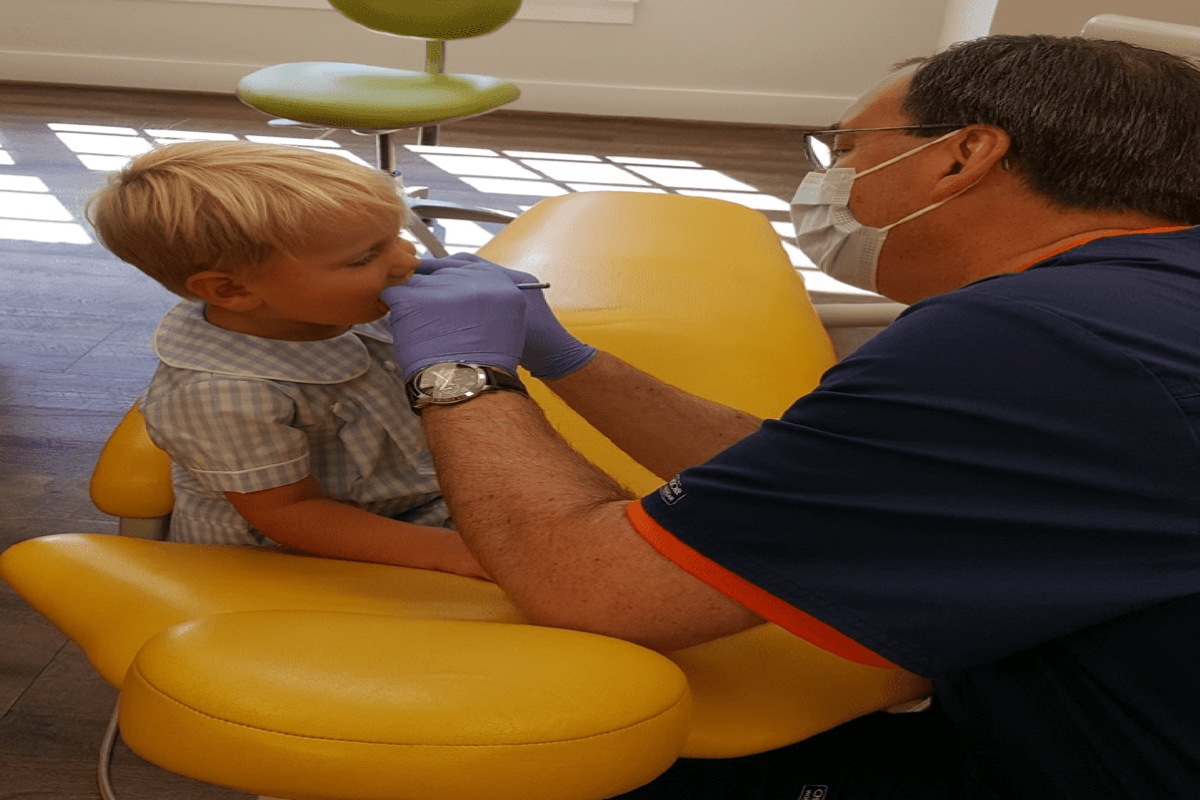
Ready for answers and peace of mind?
Give your child a gentle dental home where questions are welcomed, worries are heard, and tiny teeth are protected with care that feels calm from the very first visit.

19 INVERNESS CENTER PARKWAY, STE 250, BIRMINGHAM, AL 35242
TEL: 205.969.7454
E-MAIL: [email protected]
2018 © ALL RIGHTS RESERVED | PRIVACY POLICY | TERMS AND CONDITIONS
Site by Trustway Marketing Powered by Kyrios Systems