
WELCOME TO
HURST PEDIATRIC DENTISTRY!
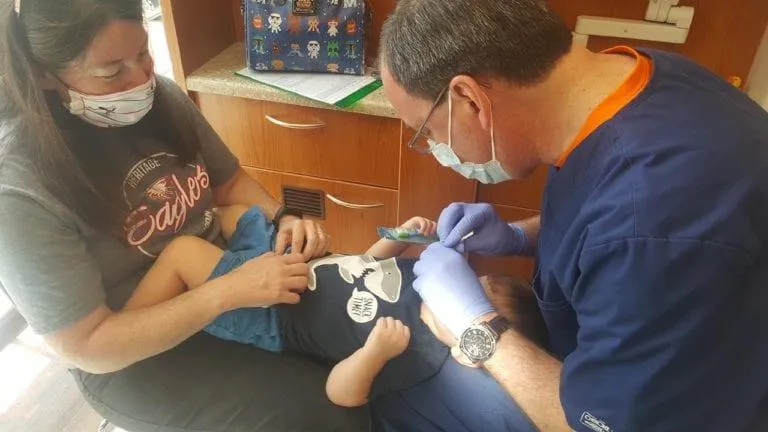
Here at the pediatric dental office of Dr. Joby Hurst, we take pride in offering our young patients the highest quality of dental care in a kid-friendly environment. We are conveniently located in Birmingham, Alabama and are experienced in providing routine dental care for infants, children, teens and patients with special needs.
Dr. Hurst and his team of friendly professionals work together to provide a positive dental experience that will make your child smile! We promise to work with you and your child personally and create a customized treatment plan to meet your individual needs and desires.
Office tour
Early Dental Care
We believe early dental care can promote a lifetime of healthy smiles for your child. We offer a full range of services from routine dental exams and cleanings to fillings, sealants and fluoride treatments that will help ensure that your child grows up with a healthy smile.
Sedation Dentistry
We recognize that for some of our patients, a visit to the dentist makes them a bit nervous.
We offer nitrous oxide sedation for our more apprehensive patients, so they can relax while receiving the dental care that they need.
For those requiring more intensive treatment, Dr. Hurst offers in office anesthesia using Dr. Jeff Plagenhoef.
Dr. Jeff is a board-certified pediatric anesthesiologist with Pediatric Dental Anesthesia Associates.
We appreciate your interest in our practice and encourage you to continue exploring our website to learn more about us. Feel free to contact us to schedule an appointment with Dr. Joby Hurst today!
Blogs and Resources
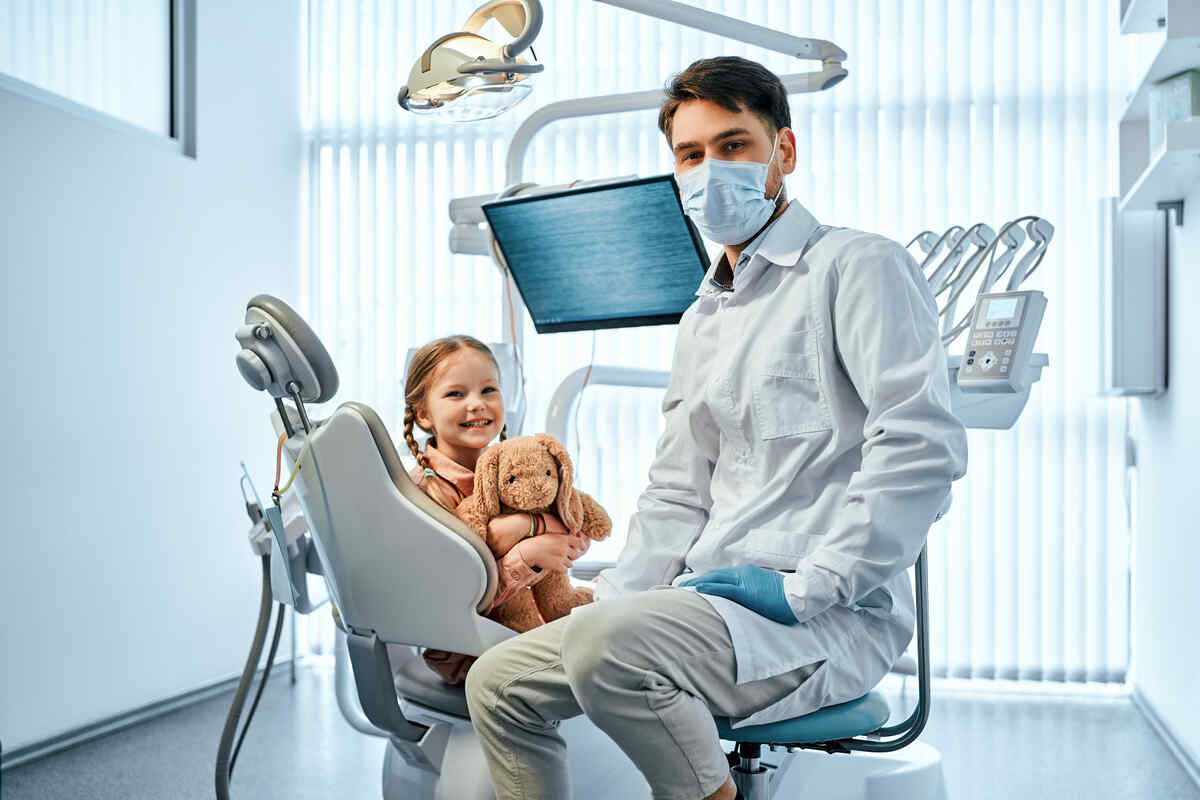
Understanding Baby Tooth Care Stages: A Pediatric Dentist's Guide
You blink, and suddenly your baby is teething. Tiny teeth begin to poke through those gummy little smiles—and with them come questions. When do I start brushing? Do baby teeth even matter if they fall out later? Is it too soon to see a dentist?
The truth is, tooth care begins before the first tooth arrives. From soothing teething gums to guiding a toothbrush into those toddler hands, every step lays the foundation for lifelong dental health.
As pediatric dentists, we’ve seen firsthand how early habits can make a world of difference. That’s why we created this baby dental care guide—to walk you through the baby tooth care stages with clear, friendly advice you can actually use. Whether you’re a first-time parent or just need a refresher, this guide will help you protect your child’s growing smile and build routines that stick (without the battles).
Let’s dive in—starting with that gummy grin.

Stage 1: Pre‑Tooth (0–6 Months)
It might feel surprising, but baby tooth care begins long before the first tooth ever appears. Even in the earliest months of life, your baby’s mouth is developing rapidly, and the habits you build now help shape how comfortable and confident your child feels about tooth care later on.
This first stage is all about gentle introduction, consistency, and setting the tone for healthy routines.
Why Gum Care Matters in Early Baby Tooth Care
Although you can’t see them yet, your baby’s primary teeth are already forming beneath the gums. Bacteria can begin building up in the mouth early, especially after feedings, which is why early tooth care is so important.
After feedings or before bedtime, gently wipe your baby’s gums using:
A clean, damp washcloth
Or soft infant gauze wrapped around your finger
This removes milk residue, supports a healthy oral environment, and helps your baby get used to having their mouth cleaned. Think of this as the very first step in your baby's dental care guide, not a chore, but a quiet, comforting moment.
Building Familiarity, Not Perfection
At this stage, the goal is not to “clean perfectly.” The goal is familiarity. Babies who grow accustomed to gentle oral care early on are often more comfortable when brushing begins later.
You’re helping your child learn that:
Mouth care is normal
It’s gentle and safe
It’s part of daily life, just like bathing or bedtime stories
This small step plays a big role in easing future brushing routines and dental visits.
Teething Signs May Appear Earlier Than You Expect
Around 4 to 6 months, many babies start showing signs of teething as those first teeth prepare to emerge. Common signs include:
Increased drooling
Chewing on hands, toys, or clothing
Mild fussiness or disrupted sleep
These signs are normal and temporary. Offering a chilled (not frozen) teething ring or a cool washcloth can provide relief. If you ever feel unsure, your pediatric dentist can help guide you safely through this stage.
Gentle reminder: Not all babies follow the same timeline. That’s okay. Tooth development varies, and every child is unique.
What Pediatric Dentists Want Parents to Know
This early phase is a key part of the baby tooth care stages, even though teeth aren’t visible yet. Establishing healthy habits now:
Reduces the risk of early childhood cavities
Makes future brushing easier
Builds trust and comfort around oral care
You’re not “behind” if you’re just learning this. You’re right on time.
Focus for This Stage
During the pre‑tooth stage, aim to:
Gently clean gums once or twice a day
Keep routines calm and predictable
Avoid putting babies to bed with bottles whenever possible
View tooth care as a nurturing habit, not a task
This stage is the foundation of lifelong oral health. By starting early, you’re setting your child up for success before that first tiny tooth ever makes its debut.

Stage 2: First Teeth Appear (6–12 Months)
"Welcome, Tiny Teeth!"
At around 6 months (sometimes earlier, sometimes later), you’ll spot something exciting: your baby’s first tooth! Usually, the lower central incisors are the first to arrive, followed closely by the upper pair. While the moment feels magical, it also brings new questions: How do I clean this tooth? Is it time for toothpaste? When should we see a dentist?
You’re not alone—and you’re asking the right questions.
The First Tooth Milestone
This is a big deal. Your baby’s first tooth marks the beginning of the baby tooth care stages, where oral hygiene shifts from wiping gums to gentle brushing. And while they will eventually fall out, baby teeth are far from temporary placeholders—they guide permanent teeth into position, aid in speech development, and help your child chew and eat properly.
In other words, tooth care really starts now.
How to Clean Baby’s First Teeth
As soon as you see that first tooth peek through, switch from a damp cloth to a soft-bristled infant toothbrush. No need for a big fancy routine—just keep it simple and consistent.
Here’s your baby's dental care guide for brushing:
Use a rice-sized smear of fluoride toothpaste
Brush gently, twice a day (morning and night)
Hold the baby in your lap, facing a mirror, or lay them on a changing pad
Use small, circular motions and lots of encouragement
Your baby may squirm or resist. That’s okay. Sing a silly brushing song or let them hold the toothbrush (with supervision) to help build comfort.
Pediatric Tip: Even if they only have one tooth, brushing twice a day sets a clear routine that pays off long-term.
Watch Out for Early Decay Risks
At this stage, many babies are still using bottles or nursing at night. While comforting, falling asleep with milk or formula on the teeth can lead to early tooth decay—sometimes called “baby bottle tooth decay.”
To reduce the risk:
Avoid putting the baby to bed with a bottle
Wipe or brush before bed, even if it’s just one tooth
Introduce water as a bedtime drink when age-appropriate
Sugar doesn’t just come from sweets—it’s hiding in juices, formulas, and even some “toddler snacks.” Your baby’s teeth are particularly vulnerable, so now is a great time to start reading labels and watching for hidden sugars.
When to Visit the Dentist
The American Academy of Pediatric Dentistry recommends a child’s first dental visit by age 1, or within 6 months of the first tooth erupting—whichever comes first.
Your baby’s first appointment is more about prevention than treatment. It’s a great opportunity to:
Check on development and teething progress
Ask questions about brushing or feeding habits
Get tips for soothing teething discomfort
Build a positive experience in the dental chair
At Hurst Pediatric Dentistry, we love making first visits fun and stress-free for both parents and little ones. We know this milestone can feel intimidating, but we’re here to make it enjoyable.

Stage 3: Full Primary Dentition (1–3 Years)
"Building Habits for Healthy Smiles"
By the time your child turns 3, they’ll likely have a full set of 20 baby teeth—each one a tiny (but mighty!) part of their developing smile. This stage is where baby tooth care really begins to pick up speed, shifting from simple brushing to more structured routines and healthy habits.
Now’s the time to turn brushing into a familiar, even fun, part of everyday life.
The Baby Teeth Timeline (Quick Overview)
Most children develop baby teeth in the following general order:
6–10 months – Central incisors (bottom, then top)
10–16 months – Lateral incisors
13–19 months – First molars
16–23 months – Canines (cuspids)
23–33 months – Second molars
Keep in mind—every child is different. Some children get their teeth early, some later. What matters most is how you care for the teeth they do have, not how fast they arrive.
Brushing Basics: 1–3 Year Olds
At this age, brushing is still your job—but you can begin to involve your child in playful, safe ways to help them feel empowered.
Tooth care tips for toddlers:
Use a soft-bristled, age-appropriate toothbrush
Brush twice a day for 2 full minutes
Use a rice-sized smear of fluoride toothpaste
Sit or stand behind them and cradle their chin in your hand
Turn it into a game or routine:
Let them brush your teeth after you brush theirs
Narrate what you’re doing ("Now we're brushing the sugar bugs away!")
Pediatric Tip: Many toddlers want to “do it themselves.” Let them try—but always follow up with a second, thorough brushing.
Tooth-Friendly Nutrition & Habits
During this time, your toddler will start eating a wider variety of foods. That means tooth care also includes dietary awareness.
Limit:
Sticky snacks (fruit gummies, chewy granola bars)
Sugary drinks (juice, flavored milk, soda)
Constant snacking (it gives sugar-loving bacteria a buffet!)
Encourage:
Water over juice—especially between meals
Crunchy fruits and veggies (like apples and carrots)
Calcium-rich snacks (like cheese or yogurt)
Bonus: Drinking water with fluoride helps strengthen developing enamel.
Bottles, Pacifiers & Baby Tooth Alignment
By age 1–2, it’s time to begin weaning from:
Bottles (especially at night)
Pacifiers (especially around age 2 to avoid tooth alignment issues)
Long-term bottle use or pacifier dependence can impact the way your child’s teeth grow in. It’s not about perfection—just progress. If you’re unsure how to navigate this, your pediatric dentist can offer gentle, personalized guidance.
Regular Dental Visits Begin Now
By age 1, your child should have seen a pediatric dentist—and by age 2–3, dental visits should become a normal part of their life.
These visits allow us to:
Monitor tooth alignment
Apply protective fluoride treatments
Catch early signs of decay
Reinforce positive experiences in the dental chair
We make these visits playful, pressure-free, and full of encouragement—because a positive experience now builds trust for years to come.
In this stage of the baby dental care guide, your focus is on helping your child build tooth care habits that last. You’re teaching them that brushing is just part of life—like washing hands or putting on shoes. It’s not always easy, and there will be resistance, but your consistency is what matters most.

Stage 4: Transition & Mixed Dentition (4–6 Years+)
“Wiggly Teeth and Growing Smiles”
Around age 5 or 6, something magical (and a little nerve-racking) starts to happen—baby teeth begin to fall out, and those first big-kid teeth start coming in. This phase, called the mixed dentition stage, marks the transition from full primary teeth to a blend of baby and permanent teeth.
It’s the final stage of baby tooth care, and it comes with new milestones, questions, and opportunities to reinforce healthy habits.
What to Expect When Baby Teeth Wiggle
Most kids lose their first tooth between ages 5 and 7, often starting with the lower front teeth (central incisors). Losing teeth can be exciting—but also a little scary for some kids.
As a parent, here’s what you can do:
Reassure them it’s normal and healthy
Let them wiggle the tooth gently—don’t force it
Celebrate the moment (yes, the Tooth Fairy is welcome!)
Some children may lose teeth earlier or later, especially if their teeth came in on a unique timeline. Unless there’s pain or trauma, there’s usually no cause for concern.
Pediatric Insight: If a permanent tooth appears before the baby tooth is out, consult your pediatric dentist. Sometimes a quick, gentle removal is needed.
Brushing with Big Teeth
Once permanent teeth begin erupting, daily brushing becomes more critical than ever. These new teeth are meant to last a lifetime—and they’re especially prone to cavities right after they come in.
At this age:
Kids still need supervision and help with brushing
Use a pea-sized amount of fluoride toothpaste
Focus on getting into hard-to-reach molars
Consider adding kid-safe floss picks to reach between teeth
This is a great age to build independence—but don’t step back too early. Most children need help brushing correctly until at least age 7 or 8.
Nutrition Still Matters
Even though your child may be eating school lunches and snacks on their own, the basics of tooth-friendly nutrition still apply:
Encourage:
Whole fruits and veggies
Water (especially with fluoride)
Cheese, yogurt, nuts
Limit:
Sugary granola bars, chewy fruit snacks
Sticky candies or sour gummies
Sugary sports drinks and soda
Smart habit: Send a water bottle to school instead of juice boxes.
From Thumb-Sucking to Teeth Shifting
If your child still uses a pacifier or sucks their thumb past age 4, it’s time to gently start phasing out the habit. Extended thumb-sucking can affect:
Tooth alignment
Bite development
Speech
This isn’t about judgment—it's about support. If you’re struggling with this, talk to your pediatric dentist for compassionate advice tailored to your child.
This stage closes out the formal baby tooth care stages, but it also opens the door to your child’s long-term dental future. The routines and resilience you’ve helped build will follow them into their tween and teen years—and far beyond.

Common Concerns & Parent FAQs
“Real Questions from Real Parents (Answered!)”
No matter how many baby tooth timelines or brushing charts you’ve read, questions still pop up—especially at 2 a.m. when your toddler’s teething, chewing on a toy, and refusing to open their mouth.
You’re not alone.
As pediatric dentists, we’ve answered thousands of questions from parents just like you. Here are the most common concerns we hear—along with clear, supportive answers to guide you through the baby tooth care stages.
“When should I start brushing my baby’s teeth?”
Answer: As soon as the first tooth appears! Use a soft-bristled baby toothbrush with a rice-sized smear of fluoride toothpaste. Before that, gently wipe gums with a damp cloth to clean the mouth and get your baby used to oral care.
“Do baby teeth really matter if they just fall out?”
Answer: Yes, absolutely. Baby teeth:
Hold space for adult teeth
Help with chewing and speaking
Impact on facial development
Affect your child’s comfort and confidence
Losing baby teeth too early (due to decay or trauma) can lead to alignment issues and costly treatment later.
“How do I know if I’m brushing correctly?”
Answer: Most toddlers won’t be able to brush effectively on their own until age 6–8. Until then:
Brush for them (and let them try after, for practice)
Use circular motions, focusing on the gum line
Brush for a full 2 minutes, twice a day
Don’t skip bedtime brushing—even if they’re tired
Pro tip: Use a sticker chart, brushing app, or a favorite 2-minute song to make it fun!
“Is fruit juice really that bad for baby teeth?”
Answer: Unfortunately, yes. Even 100% fruit juice contains natural sugars that feed cavity-causing bacteria. If your child drinks juice:
Limit it to mealtimes only
Stick to 4 oz. or less per day
Avoid juice in bottles or sippy cups throughout the day
Water is always the best choice between meals
“My baby falls asleep with a bottle—is that a problem?”
Answer: It can be. Milk, formula, and juice leave sugars on teeth overnight, which can lead to decay—especially on the upper front teeth. This condition is often referred to as baby bottle tooth decay.
Instead:
Try to feed before bed, then clean the mouth
Transition to water in the bottle for sleep
Use a pacifier (if needed) rather than a bottle for soothing
If you’re having trouble making the change, we can help you develop a gradual plan to support your transition.
“What should I do if my child has a cavity?”
Answer: First—take a breath. Cavities happen, even with the best intentions. The earlier we catch them, the easier they are to treat.
At Hurst Pediatric Dentistry, we use gentle, kid-friendly approaches to restore baby teeth and prevent future problems. We’ll talk you through every step and make sure your child feels safe and comfortable.
“How often should my child see a pediatric dentist?”
Answer: After the first visit (by age 1), children should see the dentist every six months, just like adults. These visits:
Monitor tooth growth and spacing
Prevent decay with fluoride and sealants
Reinforce healthy habits
Make dental care feel normal and positive
“What if my child is scared of the dentist?”
Answer: Totally normal—and completely manageable. Our entire team is trained to help children feel safe, seen, and supported. We use:
Playful language
Gentle explanations
Distraction techniques (TV, music, conversation)
Parental involvement, when helpful
For children with severe anxiety, we also offer sedation options tailored to their age and needs.
This FAQ section is part of what makes this baby dental care guide truly useful—it answers what real parents are searching for, in a voice that supports rather than shames.

Conclusion
Caring for baby teeth isn’t just about preventing cavities—it’s about building a lifetime of confidence, comfort, and healthy habits. From those early days of wiping gums to celebrating the first wiggly tooth, every stage of baby tooth care allows you to connect with your child and help them feel safe and supported. The truth is, no parent gets it perfect every time, and you don’t have to. What matters most is being present, consistent, and open to learning along the way.
This baby dental care guide was designed to meet you where you are—whether you’re a first-time parent feeling overwhelmed or a seasoned pro looking for a refresher. Each milestone brings new questions, but also new chances to shape how your child views tooth care as something normal, positive, and even fun. And the best part? You don’t have to navigate this journey alone.
If you have questions or just want a partner in protecting your child’s smile, we’d love to meet you. Visit Hurst Pediatric Dentistry at 19 Inverness Center Parkway, Suite 250, Birmingham, AL 35242, or give us a call at (205) 969‑7454. We’re here to make dental care easy, gentle, and joyful—for you and your little one.

19 INVERNESS CENTER PARKWAY, STE 250, BIRMINGHAM, AL 35242
TEL: 205.969.7454
E-MAIL: [email protected]
2018 © ALL RIGHTS RESERVED | PRIVACY POLICY | TERMS AND CONDITIONS
Site by Trustway Marketing Powered by Kyrios Systems